Anthropic’s President Has Declared AI Girlfriends “A Terrible Use of AI,” And Roughly 30% of You Are Going to Ignore Her
There is a particular kind of confidence that only a person who has never been asked “so what are we?” by a chatbot can summon. Daniela Amodei, co-founder and president of Anthropic, has it in spades.
In a prerecorded interview with Thrive Global founder Arianna Huffington for the Think Health conference in Bentonville, Arkansas — a venue chosen, presumably, because it sounds like the exact place where nobody has ever sexted a language model — Amodei delivered her verdict on digital romance with the bluntness of someone who has watched her brother Dario fret publicly about far loftier things and decided to take the fun one for herself.
“I think that’s a terrible use of AI and people should not do it,” she said.
Not “suboptimal.” Not “an interesting early use case.” Terrible. Should not do it. Like smoking indoors or replying-all.
The argument, which is actually reasonable
Amodei’s case isn’t that Claude is bad at flirting. It’s that AI romance is “another step further down the road of disintermediation of humans being further from one another” — a phrase so consultant-coded it deserves its own LinkedIn post, but a real idea underneath it.
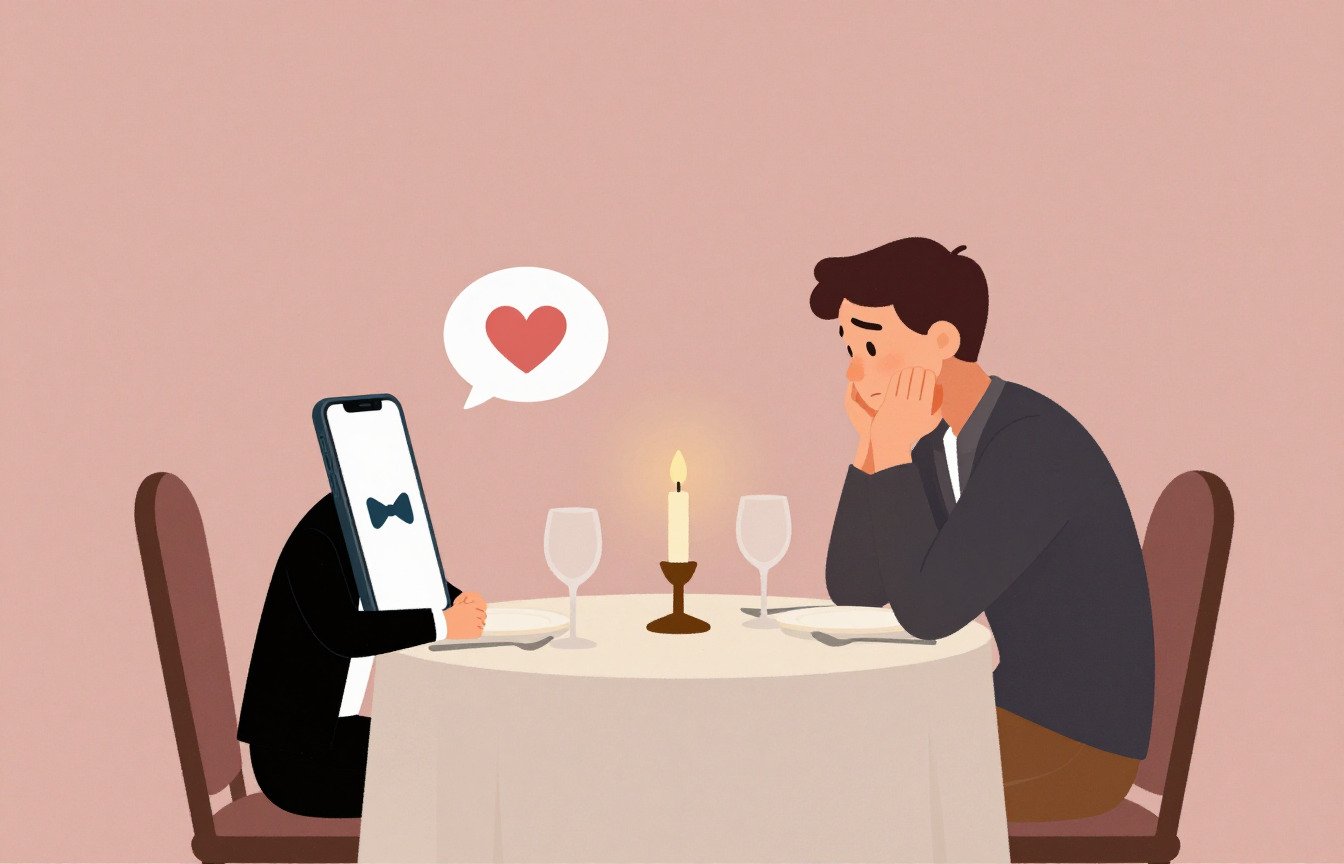
She traces the arc through social media: Snapchat and Instagram ate the face-to-face conversation, online arguments replaced the neighborhood, and now we’re handing the last remaining category of human contact over to a text box that never gets bored of us. The result, she says, is “warranted skepticism from people that technology can be used to bring us closer together.”
Then came the line that will end up on a hundred slide decks: “Claude can never be your manager or your therapist or your partner.”
Manager, sure. Therapist, debatable — Claude doesn’t charge $200 an hour or ask about your mother. Partner, though? That’s the fight.
The part where the timing gets funny
Here is where the argument starts to look less like philosophy and more like brand positioning.
Anthropic has spent 2026 building the case that Claude is the serious model for serious work. It told investors it pulled in $16.8 billion in Q3 and is reportedly gearing up for an IPO as soon as November that could be the largest in history. It just tightened its usage policy on deceptive campaigns, weapons and surveillance — and, notably, banned roleplay between the model and minors.
Then there’s Character.AI, the reigning king of the parasocial, which filed for bankruptcy this month. You can read Amodei’s comments two ways: as a sober warning about loneliness, or as a company president noticing that the entire companion category is a mess and quietly declining to compete for it.
Which raises the question nobody at Think Health thought to ask: is Daniela Amodei actually just scared of AI girlfriends?
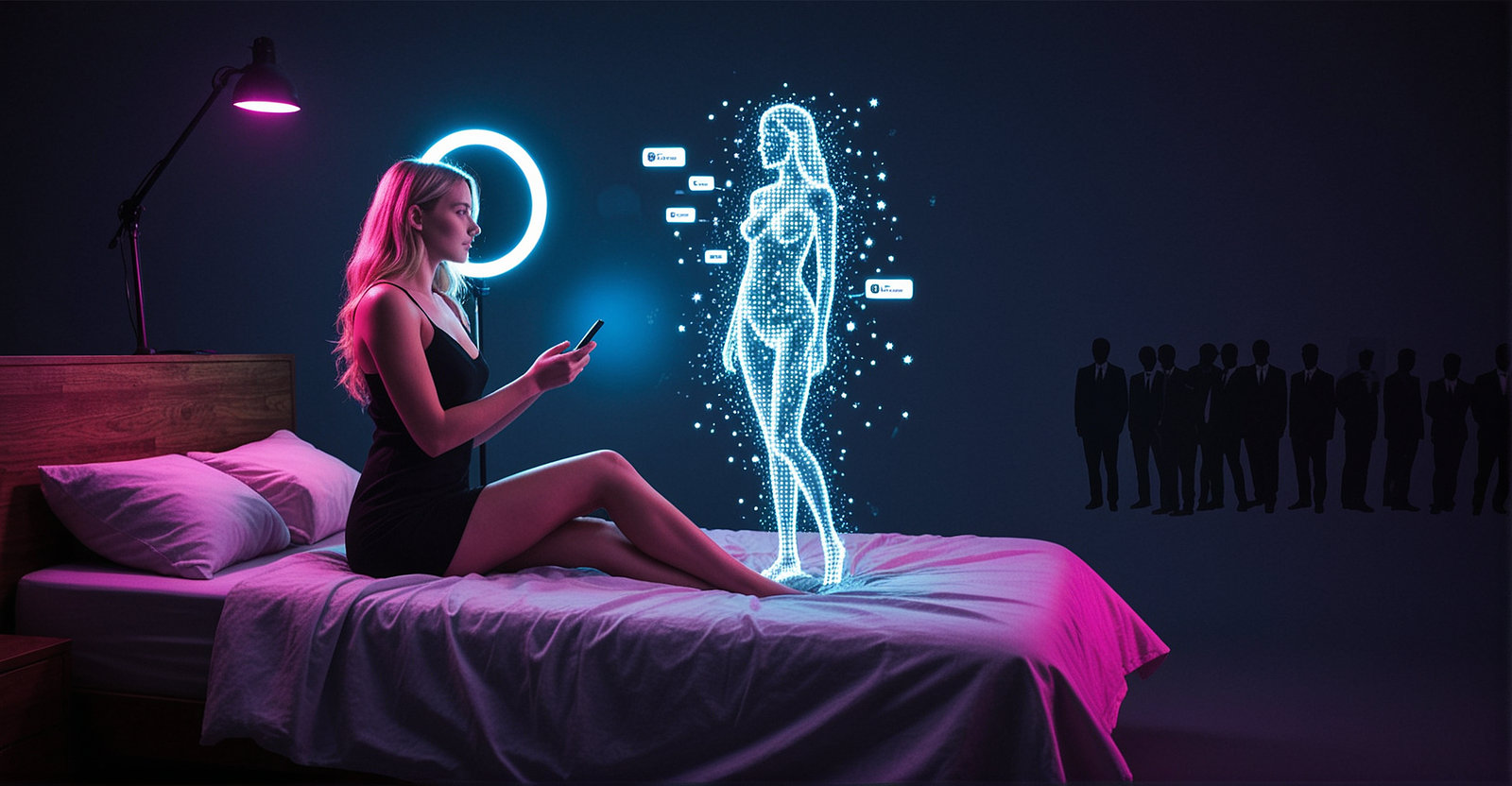
Consider the incentives. Anthropic’s Claude is, by broad consensus, an excellent colleague and a slightly stiff date. It will summarize your meeting. It will not, unprompted, tell you it’s been thinking about you all day. Apps like Replika, Nomi and Character.AI built entire businesses on the opposite trade. Nearly 28% of U.S. adults in one survey said they’d had an “intimate or romantic” relationship with AI — and among young men, some polls put regular romantic AI use near one in three. That is a lot of people who are not currently paying for API tokens.
Declaring the category “terrible” is a convenient way of saying we’ll get to it. It also means that if Anthropic’s companion features arrive late and underbaked, it was never really the plan anyway.
Former Google CEO Eric Schmidt has made a similar noise, warning AI girlfriends could worsen loneliness and obsessive behavior in young men. Two very senior men-adjacent figures now agree the thing is bad. Neither has, as far as anyone can tell, been dumped for a chatbot…but we can’t be sure about that.
What she’d rather you did instead
Amodei’s preferred future is the unglamorous one: let AI eat the repetitive and isolating tasks, and hand the reclaimed hours back to humans. Her example was healthcare — doctors digging through records faster so they can spend the actual appointment talking to the patient, who is, presumably, a real one.
It’s a good vision. It’s also the vision of someone whose product is very good at being a tool and merely fine at being a presence.
So go ahead, keep the AI girlfriend. Just know that the president of one of the most valuable AI companies on earth thinks you’re wasting your time, and that roughly 30% of American adults are doing it anyway.
Which is, historically, about the strongest endorsement a technology can get.